• About
  • Privacy Policy
  • Contact
  • Sitemap

Invasive Ductal Carcinoma

Find Invasive Ductal Carcinoma Symptoms and Treatment etc Here

  • Home
  • Cause
  • Symptoms
  • Treatment
Home » Cancer » Cause » Treatment » What is a Breast Cancer and How to Treat it

What is a Breast Cancer and How to Treat it

Unknown
Add Comment
Cancer, Cause, Treatment
Wednesday, June 18, 2014
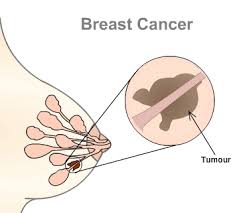
Breast cancer is a malignant tumor that starts from the growth of abnormal cells in the breast and then spread to other tissues. Although breast cancer is most common in women, but in some types of breast cancer can affect men.

Breast cancer generally show no significant symptoms, but some symptoms that must be wary of cancer symptoms such as a palpable lump around the breast which when pressed will shrink and not immediately return to their original states.


Usually the lump will continue to deteriorate and cause ulcers around your breast. Additionally greenish yellow discharge or pus from the nipple, or breast shape changes are accompanied by changes in the mammary areola color is a common symptom of breast cancer.

What is a Breast Cancer and How to Treat it
 

Causes of Breast Cancer

In addition to genetic factors, breast cancer can also be caused by an unhealthy lifestyle such as smoking and alcohol consumption. Some other causes such as breast squeezing hard habits, the influence of radiation, the use of the hormones estrogen and as a result of prolonged malnutrition.
In medicine, breast cancer is known in several types such as:


  • Ductal Carcinoma In Situ (DCIS) is a type of non-invasive breast cancer or carcinoma that has not spread to other tissues. DCIS is not life-threatening, but it can increase the risk of developing invasive breast cancer later in life if not immediate treatment.
  • Invasive ductal Carsinoma (IDC) is a type of breast cancer, the most common breast women aged 50 years and older. IDC deployment originated from the milk ducts and then spreads to the tissue of the breast to the lymph nodes or other body stricken.
  •  Tubular carcinoma is a carcinoma that is part of IDC which has a size of <1cm and very rarely attack in men.
  •  Medullary carcinoma is a rare subtype of IDC which starts in the milk ducts spread, this type of cancer can be about 3-5% of all breast cancer cases. This form of tumor is very soft and resemble the medulla. Medullary carcinoma can occur at any age, but usually affects women between the ages of 40-50 years. Medullary carcinoma growth that does not have a quick and usually does not spread outside of the breast tissue.
  • Mucinous carcinoma is a rare type of invasive breast cancer is formed when cancer cells in the breast that produce mucus. This mucus-containing breast cancer cells were easily distinguished from normal cells under a microscope. Together, the mucosal cells and cancerous tumors to form a gel-like. Mucinous carcinoma accounts for 2-3% of invasive breast cancers. Mucinous carcinoma is extremely rare in men and is most common in women after they have been through menopause or women aged between 60-70 years. 
  • Papillary carcinoma is a rare type of breast cancer that occurs is less than 1-2% of invasive breast cancers. In most cases, the type of tumor diagnosed in older women who have undergone menopause.
  • Cribriform carcinoma which is a type of cancer that attacks the breast connective tissue (stroma) in formation nestlike between channels and lobules. In tumors, there is a typical hole in the cancer cells, so it looks like Swiss cheese. 
  • Inflammatory breast cancer (IBC) is a rare form of cancer and cancer is an aggressive type of breast cancer. Inflammatory breast cancer usually begins with redness and swelling of the breast. IBC tends to grow and spread quickly within a few days. It is important to recognize the symptoms and seek appropriate treatment. 
  • Invasive lobular carcinoma is a type of breast cancer is the second most common after invasive ductal carcinoma.
Treatment of breast cancer should be treated by an experienced surgeon and general handling is done by several methods and adapted to the stage of breast cancer.

Breast Cancer Treatment

Surgery

In general, breast cancer patients undergoing surgery to remove the cancer from the breast prior research conducted lymph nodes under the arm to see if they contain cancer cells or not.
Breast-conserving surgery to remove the breast cancer undergo several stages:


  • Lumpectomy: Surgery to remove a tumor (lump) and a number of surrounding normal tissue.
  • Partial mastectomy: Surgery to remove part of the breast that has cancer and some normal tissue around it. The upper layer of the muscles of the lower chest cancer are also removed. This procedure is also called a segmental mastectomy. Patients who were treated with breast-conserving surgery who allegedly had some lymph nodes under the arm removed for biopsy. 
  • Total mastectomy: Surgery to remove the whole breast that has cancer. This procedure is also called a simple mastectomy. Appointment settled some lymph nodes under the arm for a biopsy at the time of or after breast surgery.
  •  Modified radical mastectomy: Lifting the whole breast that has cancer, lymph nodes under the arm, the lining over the chest muscles, and sometimes until the muscles of the chest wall. 
Chemotherapy may be given before surgery to remove the tumor. When given before surgery, chemotherapy will shrink the tumor and reduce the amount of tissue that needs to be removed during surgery. Treatment given before surgery is called neoadjuvant therapy.

Even if the doctor removes all the cancer that can be seen at the time of surgery, some patients may be given radiation therapy, chemotherapy, or hormone therapy after surgery to kill any cancer cells remaining. Treatment given after surgery, to lower the risk that the cancer will come back, is called adjuvant therapy.


Sentinel lymph node biopsy followed by surgery


Sentinel lymph node biopsy is the removal of the sentinel lymph node during surgery. Sentinel lymph node is the first lymph nodes that receive lymphatic drainage from a tumor. It is a cancer of the lymph nodes that are likely to propagate tumors.

A radioactive substance is injected near the tumor. Material or the dye flows through the lymph channels to the lymph nodes. The first lymph node that accepts dye is then removed.

A pathologist examines the tissue under a microscope to look for cancer cells. If cancer cells are not found, it may not be necessary to remove more lymph nodes. After sentinel lymph node biopsy, the surgeon removes the tumor (breast-conserving surgery or mastectomy).


Radiation Therapy

Radiation therapy is a cancer treatment that uses high-energy x-rays or other types of radiation to kill cancer cells or prevent their growth again.

There are two types of radiation therapy. External radiation therapy uses a machine outside the body to send radiation toward the cancer. Internal radiation therapy uses a radioactive substance in needles, wires, or catheters that are placed directly into or near the cancer. Way the radiation therapy is given depends on the type and stage of the cancer will be eliminated.


Chemotherapy

Chemotherapy is a cancer treatment that uses drugs to stop the growth of cancer cells, either by killing the cells or by stopping the spread of cancer.

When chemotherapy is taken by mouth or injected into a vein or muscle, the drugs enter the bloodstream and can reach cancer cells throughout the body (systemic chemotherapy).

When chemotherapy is placed directly into the cerebrospinal fluid, an organ, or a body cavity such as the abdomen, the drugs mainly affect cancer cells in those areas (regional chemotherapy). How chemotherapy is given depends on the type and stage of the cancer being treated.


Hormone Therapy

Hormone therapy is a cancer treatment to eliminate hormones and stop the growth of cancer cells. Hormones are substances made by glands in the body and circulated in the bloodstream. Some hormones can cause certain cancers to grow. If the test results indicate that the cancer cells are on hormones, then drugs, surgery, or radiation therapy are used to reduce the production of hormones or block the hormones.

Generally produces growth hormone estrogen is produced in the ovaries of breast cancer, then treatment to stop the ovaries from producing estrogen is called ovarian ablation.

Hormone therapy with tamoxifen is often given to patients with early stage breast cancer and those with metastatic breast cancer (cancer that has spread to other parts of the body).


Women taking tamoxifen as hormonal therapy had to go through a pelvic exam every year to look for signs of cancer. Any vaginal bleeding other than menstrual blood, should be reported to a doctor as soon as possible.

Hormone therapy with an aromatase inhibitor is given to some postmenopausal women require estrogen to grow. Aromatase inhibitors decrease the body's estrogen by blocking an enzyme called aromatase from converting androgens to estrogens.

For the treatment of early stage breast cancer, certain aromatase inhibitors may be used as adjuvant therapy instead of tamoxifen or after 2 or more years of tamoxifen. For the treatment of metastatic breast cancer, aromatase inhibitors are being tested in clinical trials to compare it with hormone therapy with tamoxifen.


Targeted Therapy

Targeted therapy is a type of treatment that uses drugs or other substances to identify and attack specific cancer cells without harming normal cells. Monoclonal antibodies and tyrosine kinase inhibitors are two types of targeted therapy used in the treatment of breast cancer.
  • Monoclonal antibody therapy is a cancer treatment that uses antibodies made ​​in the laboratory, from a single type of immune system cell. These antibodies can identify substances on cancer cells or normal substances that may help cancer cells grow. Antibodies attach to the substances and kill the cancer cells, inhibit their growth, or keep them from spreading. Monoclonal antibodies are given by infusion. They can be used alone or to carry drugs, toxins, or radioactive material directly to cancer cells. Monoclonal antibodies can be used in combination with chemotherapy as adjuvant therapy.
  • Trastuzumab is a monoclonal antibody that blocks the effects of the growth factor protein HER2, which sends growth signals to breast cancer cells. About a quarter of patients with breast cancer have tumors that can be treated with trastuzumab combined with chemotherapy.
Breast cancer is generally suffered by women, but some types of breast cancer can affect men. Symptoms of breast cancer often does not cause significant symptoms while the cause of cancer is generally caused by an unhealthy lifestyle and because of malnutrition. Therefore, before you are convicted of breast cancer should do regular inspections of your breast health.
Tweet
What is a Breast Cancer and How to Treat it Title : What is a Breast Cancer and How to Treat it
Description : Breast cancer is a malignant tumor that starts from the growth of abnormal cells in the breast and then spread to other tissues . ...
Rating : 5

0 Response to "What is a Breast Cancer and How to Treat it"

← Newer Post Older Post → Home
Subscribe to: Post Comments (Atom)

Popular

  • Invasive Ductal Carcinoma Causes
    Invasive Ductal Carcinoma Causes -  The cause is unknown , but there are some risk factors that cause a woman to be more likely to suffer f...

Labels

Cancer Cause Definitions Symptoms Treatment
Back to top!
Copyright 2014 Invasive Ductal Carcinoma - All Rights Reserved Powered by Blogger